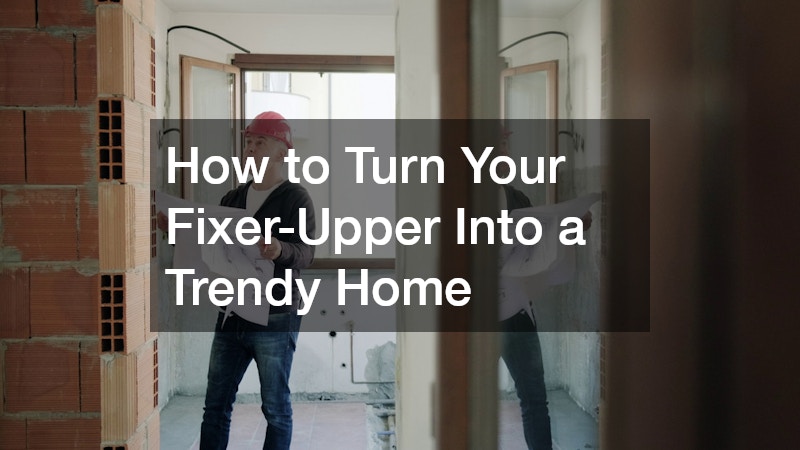
Buying a fixer-upper is an exciting opportunity to create a home that reflects your style and vision. While it can be intimidating, a strategic approach to renovations allows you to combine charm with modern trends. With careful planning, budgeting, and the right professional support, you can transform an outdated property into a trendy, functional, and highly desirable home. This guide provides practical tips, design insights, and expert advice to help homeowners achieve a stylish and functional renovation in 2026.
Transforming Outdoor Curb Appeal

The exterior of your home is the first impression visitors will have, and it plays a huge role in the perceived value and attractiveness of your property. A thoughtfully designed driveway and entryway not only provide functionality but also create a welcoming atmosphere that enhances the overall aesthetic. For a fixer-upper, improving curb appeal can make the home feel modern, fresh, and well-maintained, signaling that it’s ready for the next stage of living or resale. Investing in curb appeal is not just about looks—it also adds long-term value and can increase property resale potential.
Key Strategies:
- Upgrade your driveway: Materials like stamped concrete, permeable pavers, or modern asphalt finishes are popular in 2026. Stamped concrete allows for creative patterns and textures, permeable pavers help with drainage and sustainability, and asphalt provides a sleek, low-maintenance surface. Choosing the right material ensures durability while complementing the style of your home.
- Incorporate landscaping elements: Planting borders, shrubs, and trees around paved areas adds depth and softness to the hard surfaces, creating a more inviting entryway. Flower beds or ornamental grasses can also add seasonal color and personality.
- Lighting accents: Strategically placed solar or LED lighting along walkways, driveways, and around landscaping highlights architectural features, increases safety, and extends usability into the evening hours.
Tips:
- Collaborate with a driveway paving company to select the best material and guarantee professional installation.
- Prioritize durability in high-traffic areas to minimize repairs and maintenance over time.
- Combine paving with complementary landscaping for a cohesive, polished look that elevates your home’s overall aesthetic.
- Consider additional accents such as decorative planters, benches, or modern house numbers to further personalize the exterior.
A fresh, well-planned driveway and entryway not only improve curb appeal but also convey that the home is cared for, safe, and stylish—creating a strong first impression for visitors and potential buyers alike.
Fixing Walls and Prepping Surfaces
Walls are often one of the first elements that reveal a home’s age. In a fixer-upper, imperfections such as cracks, holes, water damage, or uneven surfaces can detract from even the most carefully planned renovations. Properly repairing and preparing walls is essential to creating a modern, polished look that complements other updates in your home. Well-prepared walls not only enhance aesthetics but also improve the durability of paint, wallpaper, or other finishes, reducing long-term maintenance.
Common Wall Issues:
- Nail pops or small cracks in drywall: Often caused by settling or humidity fluctuations, these minor imperfections can grow if left unaddressed.
- Water stains or mold from leaks: Indicate past or present moisture issues and require careful repair to prevent further damage.
- Uneven surfaces or peeling paint: Can make a room appear dated and reduce the effectiveness of new paint or wall treatments.
Tips:
- Patch small holes with spackle or joint compound. For more extensive damage, replacing entire drywall panels may be necessary to achieve a smooth surface.
- Hire a drywall repair services provider for complex repairs, water-damaged areas, or textured finishes to ensure professional results.
- Sand and prime all walls before painting or wallpapering; this step creates a uniform base and enhances adhesion for a flawless finish.
- Consider adding accent walls with modern textures, shiplap, wainscoting, or panels to introduce visual interest and contemporary style.
- Inspect all corners, seams, and baseboards to ensure they are level and free of gaps or cracks before final finishing.
Proper wall preparation establishes a strong foundation for your renovation, ensuring that every finish—from paint to wallpaper to decorative accents—looks polished and lasts for years. By addressing these issues early, you also prevent small problems from escalating into more costly repairs later, making your fixer-upper truly feel like a modern, stylish home.
Ensuring a Safe and Functional Roof

A strong, well-maintained roof is one of the most critical components of any home, serving as the first line of defense against weather, pests, and structural damage. In older homes or fixer-uppers, roofing materials may have deteriorated over time, leading to leaks, reduced energy efficiency, and even compromised structural integrity. Addressing roofing issues early not only protects your investment but also lays a solid foundation for other renovations, preventing costly repairs down the line.
Key Considerations:
- Inspect shingles, flashing, and gutters: Check for missing, cracked, or curling shingles, rusted flashing, or clogged gutters that can lead to water damage.
- Evaluate energy-efficient options: Modern roofing materials such as metal, synthetic shingles, or architectural shingles offer long-lasting durability while improving insulation and reducing energy costs.
- Consider aesthetics: Choose materials and colors that enhance curb appeal and complement your home’s architectural style without sacrificing functionality.
Tips:
- Hire local roofers for professional inspections and repairs. Their expertise ensures compliance with local building codes and proper installation practices.
- Address any damaged areas before undertaking interior renovations to prevent leaks or structural issues that could compromise other improvements.
- Upgrade ventilation and insulation during roofing projects to improve energy efficiency and comfort throughout the home.
- Explore options like skylights, solar panels, or reflective coatings to add natural light, modern appeal, and sustainable energy solutions.
- Schedule routine maintenance after installation to prolong the life of your roof and catch potential issues early.
A properly maintained roof safeguards the home’s interior, enhances energy efficiency, and contributes to overall curb appeal. By combining repairs, energy-efficient upgrades, and aesthetic improvements, you can transform an outdated or damaged roof into a durable and visually appealing feature of your fixer-upper.
Planning Layout and Structural Changes
Many fixer-uppers come with outdated layouts that can make a home feel cramped, dark, or disconnected. Closed-off kitchens, narrow hallways, and awkward room placements often limit both functionality and modern appeal. Strategic structural changes can dramatically improve the flow of a home, making it feel larger, brighter, and more in tune with contemporary living while still preserving its original charm. Proper planning at this stage is essential to avoid costly mistakes and ensure that renovations are both safe and functional.
Popular Layout Updates:
- Open-concept living spaces: Removing select walls between kitchens, dining areas, and living rooms can create a sense of openness, improve natural light distribution, and encourage social interaction.
- Expanding or converting basements: Basements can be transformed into home offices, media rooms, gyms, or guest suites, adding valuable usable space without changing the footprint of the home.
- Adding or relocating rooms: Adjusting room placement or adding extensions can improve traffic flow, create functional zones, and accommodate growing household needs.
Tips:
- Consult a new home builder for guidance on structural integrity, building codes, and optimal layout adjustments. Their experience can help identify potential risks and suggest efficient solutions.
- Focus on removing non-load-bearing walls first; any alterations to load-bearing walls require professional assessment and potentially additional support structures.
- Incorporate modern storage solutions, such as built-in cabinets, shelving, or hidden compartments, to maximize space and reduce clutter.
- Balance renovations with the home’s original character, keeping architectural features or unique elements intact while updating for modern functionality.
By carefully planning structural changes, homeowners can transform an outdated layout into a modern, functional home that maximizes space, light, and comfort while maintaining the property’s unique personality.
Upgrading Kitchens and Bathrooms
Kitchens and bathrooms are central to a home’s usability and resale value. Updating these areas brings a fixer-upper into the 21st century while creating functional and stylish spaces.
Modern Renovation Trends:
- Floating vanities and modern cabinetry
- Frameless glass showers or walk-in tubs
- Smart fixtures with touchless faucets and energy-saving toilets
Tips:
- Work with local bath remodelers for accurate project timelines and budget management.
- Prioritize durable, low-maintenance materials like quartz countertops, ceramic tile, or water-resistant flooring.
- Optimize lighting with layered approaches—ambient, task, and accent lighting.
- Incorporate storage solutions like built-in niches, medicine cabinets, and pull-out drawers.
Modern kitchen and bathroom upgrades enhance usability, increase home value, and create a fresh, stylish impression.
Strengthening Floors and Foundations
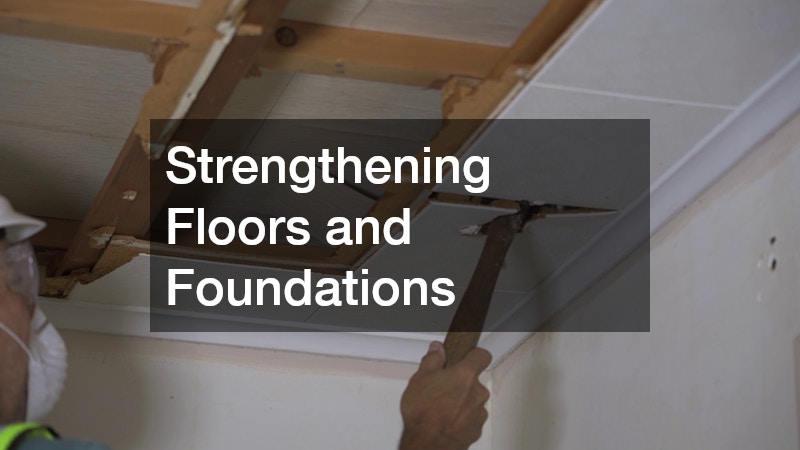
Floors and foundations are critical for safety and stability. Older homes often have cracked, uneven, or outdated surfaces that need repair before aesthetic upgrades.
Flooring Options:
- Polished or stained concrete for modern, minimalist interiors
- Decorative stamped concrete for patios and walkways
- Reinforced concrete repairs to correct foundation settling or cracks
Tips:
- Hire a local concrete company to assess structural integrity and perform high-quality installations.
- Seal interior and exterior concrete surfaces to prevent moisture damage.
- Combine concrete flooring with area rugs or mats for warmth and texture.
- Ensure proper drainage around the foundation to prevent long-term water damage.
Strong, well-maintained flooring and foundations create a safe, durable base for all other home improvements.
Adding Character With Windows and Accents
Small exterior details can dramatically improve curb appeal and add personality to a home. Window boxes are a charming, functional way to enhance visual interest.
Decorative Ideas:
- Install flower-filled window boxes that complement the home’s color scheme.
- Use herbs or small shrubs for a practical and visually appealing touch.
- Choose modern materials like metal or composite for durability and low maintenance.
Tips:
- Ensure window boxes are securely mounted and properly drained to avoid damage to siding.
- Select seasonal plants for year-round appeal.
- Coordinate with exterior paint and landscaping for a cohesive look.
- Maintain and refresh plants regularly to keep the home looking vibrant.
Window boxes are an easy, cost-effective way to add charm and character while improving overall curb appeal.
Upgrading HVAC and Climate Control
A modern HVAC system is crucial for comfort and energy efficiency. Many older homes have outdated systems that struggle to maintain temperature control.
Key Upgrades:
- Smart thermostats for energy savings and remote management
- Zoned systems for efficient heating and cooling in multiple areas
- High-efficiency AC units to reduce energy consumption
Tips:
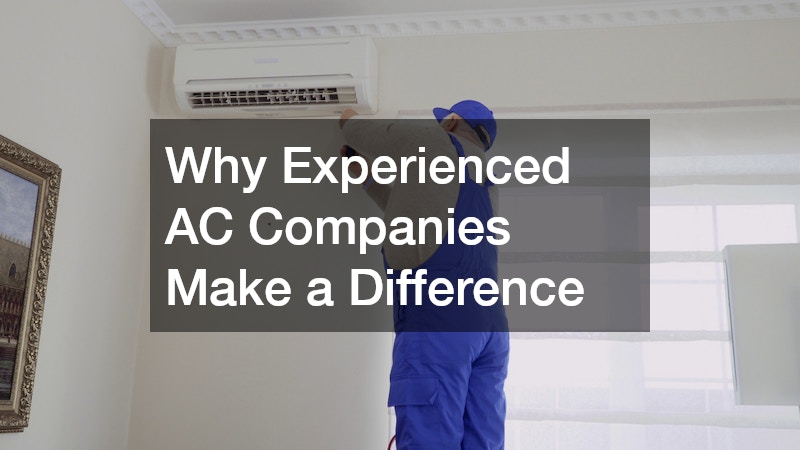
- Hire an air conditioning company to ensure proper installation and maintenance.
- Inspect ducts for leaks and clean them regularly to maintain air quality.
- Consider adding supplemental climate control options like ceiling fans or portable units.
- Schedule seasonal inspections to prevent costly repairs and ensure efficiency.
Upgrading climate control enhances comfort, reduces energy bills, and supports sustainable living practices.
Modernizing Interior Surfaces
Flooring plays a major role in the look and feel of a home. Modern trends focus on durability, style, and ease of maintenance.
Flooring Trends:
- Hardwood or engineered wood for timeless appeal
- Luxury vinyl or tile for moisture-prone areas
- Polished concrete for a sleek, modern finish
Tips:
- Work with a local flooring company to ensure professional installation and long-term durability.
- Coordinate flooring choices with wall colors and furniture for cohesive design.
- Consider underfloor heating in bathrooms or basements for added comfort.
- Choose finishes that are easy to clean and maintain for busy households.
Well-chosen flooring unites interior design, improves functionality, and adds a polished look to any renovation.
Updating Electrical Systems and Lighting

Electrical updates are essential for safety and functionality. Older homes may have outdated panels, wiring, or insufficient outlets for modern needs.
Electrical Upgrades:
- Install modern lighting fixtures, including pendant lights and recessed lighting
- Upgrade outlets for USB and smart home integration
- Replace old panels and wiring to meet code standards
Tips:
- Hire a local electrician to ensure all work is safe, code-compliant, and professionally executed.
- Plan circuits with future technology and appliances in mind.
- Consider smart home lighting systems that adjust automatically or via apps.
- Integrate dimmers, motion sensors, and energy-efficient bulbs for style and savings.
Electrical and lighting upgrades enhance safety, functionality, and ambiance, completing a trendy home transformation.
Turning a fixer-upper into a trendy home requires careful planning, strategic updates, and a combination of DIY effort and professional expertise. From structural improvements to aesthetic enhancements, every decision impacts both comfort and value. By prioritizing key areas like roofing, walls, kitchens, bathrooms, flooring, and outdoor spaces—and working with trusted professionals—you can transform an outdated property into a stylish, modern, and functional home that reflects your personality and meets the needs of 2026 living trends.