
Exterior renovations often begin with visual inspiration—magazine photos, neighborhood comparisons, or resale goals—but lasting success depends on much more than appearance. Every outdoor improvement must withstand weather, daily use, and the passage of time. Without a maintenance-aware strategy, even the most attractive upgrades can become expensive burdens. Balancing aesthetics with long-term care requires homeowners to evaluate materials, layouts, and systems not just for how they look on completion day, but for how they perform years later.
This approach shifts the focus from short-term impact to sustained value. Thoughtful exterior planning considers how individual elements interact, how they will be serviced, and how they age together. When maintenance requirements are addressed early, exterior spaces remain functional, attractive, and cost-effective over the long term.
Start With a Maintenance-First Design Mindset
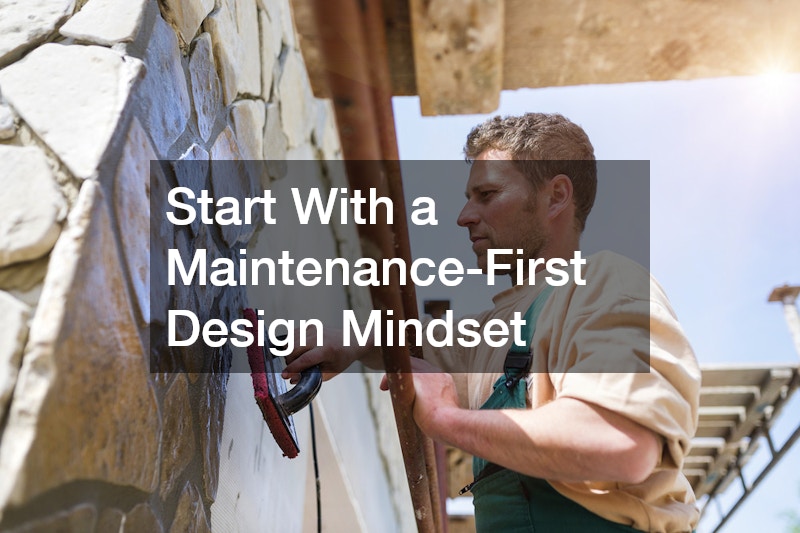
Before choosing finishes or features, homeowners benefit from understanding how design decisions influence upkeep across the entire lifespan of an exterior renovation. A maintenance-first mindset does not sacrifice beauty; instead, it aligns aesthetic goals with realistic care requirements so that the finished space continues to look intentional rather than worn or neglected. This approach helps homeowners move beyond inspiration images and evaluate whether a design choice fits their time, budget, and tolerance for ongoing work.
Design decisions made early often determine how much time and money will be required to keep exterior spaces looking their best. Materials exposed to moisture, sunlight, and temperature swings age differently depending on quality and placement. Some finishes are designed to weather naturally, while others depend on regular intervention to maintain their appearance. Understanding these differences upfront allows homeowners to make informed trade-offs rather than reacting to issues later.
Key questions to ask early include:
- How will weather exposure affect materials over time?
- Which surfaces will receive the most foot traffic or sun exposure?
- What cleaning, sealing, or repairs will be required annually?
- Are replacement materials readily available if damage occurs?
These questions help homeowners compare options beyond initial cost or visual appeal. A material that requires frequent sealing or specialized care may be appropriate for a small accent area but impractical for larger surfaces. Similarly, finishes that are difficult to source in the future can complicate repairs and lead to mismatched replacements that disrupt the overall design.
Plan Landscape Growth and Safety Proactively
Landscaping is one of the most dynamic exterior elements because it changes continuously as plants mature and respond to seasonal conditions. Without proactive management, growth can undermine hardscape features, obscure sightlines, and increase long-term costs by creating issues that require corrective work rather than routine care. Strategic tree trimming plays a critical role in maintaining both appearance and structural safety, ensuring that landscapes remain an asset rather than a liability.
Unmanaged growth can lead to several avoidable problems that affect both function and aesthetics:
- Roots lifting walkways or patios, creating trip hazards, and cracking surfaces
- Branches damaging roofing or siding through repeated contact or storm movement
- Reduced sunlight affecting surrounding plants, lawns, or outdoor living areas
- Increased debris accumulation on exterior surfaces, leading to staining or moisture retention
These issues often develop gradually, making them easy to overlook until repairs become necessary. Addressing growth early helps preserve the integrity of nearby features and keeps maintenance predictable.
Working with an arborist during planning helps homeowners select appropriate species and placement based on mature size rather than initial appearance. This perspective accounts for canopy spread, root systems, and long-term maintenance needs. By choosing plants that fit the available space, homeowners reduce the likelihood of aggressive pruning or removal later, which can disrupt the visual balance of the landscape.
Proactive planning steps include:
- Reviewing growth patterns before planting to understand long-term space requirements
- Establishing pruning schedules early to guide healthy, controlled growth
- Maintaining clearance from structures and utilities to prevent damage and access issues
- Coordinating plant placement with drainage and hardscape to avoid interference
Landscapes that are planned with growth in mind retain their visual balance as they mature and reduce the need for corrective work later. This approach supports a cleaner appearance, protects surrounding features, and allows outdoor spaces to evolve in a controlled, intentional way.
Choose Hardscape Materials That Age Well
Hardscape defines outdoor circulation and usability, but its long-term performance depends heavily on material selection and installation quality. Walkways, patios, and drive surfaces must withstand constant exposure to weather, foot traffic, and shifting ground conditions. Experienced paving contractors understand how soil composition, drainage behavior, and local climate interact, and they account for these factors during both planning and installation to prevent premature deterioration.
When selecting hardscape materials, homeowners should consider how each option will perform over time, not just how it looks on day one. Different surfaces respond differently to moisture, sunlight, and temperature swings, which can affect safety and appearance.
Key factors to evaluate include:
- Slip resistance under wet conditions, especially in shaded or high-traffic areas
- Susceptibility to staining or fading from leaves, oils, or prolonged sun exposure
- Expansion and contraction during temperature changes, which can lead to cracking or separation
- Ease of spot repairs without full replacement if individual sections are damaged
Durable materials reduce maintenance frequency, but proper installation is equally important. Poor base preparation, inadequate compaction, or insufficient drainage can cause even premium materials to fail prematurely. Issues such as settling, pooling water, or uneven surfaces often trace back to shortcuts taken below the visible surface.
To protect both appearance and investment, homeowners should take a proactive approach during planning and installation:
- Confirm proper grading and water management to direct runoff away from surfaces
- Select finishes that hide wear rather than highlight scratches, stains, or minor imperfections
- Plan access routes to avoid future demolition during repairs or utility work
- Match materials to expected usage patterns, such as heavy foot traffic or occasional vehicle loads
Well-chosen hardscape elements maintain their function and appearance with minimal intervention. By prioritizing materials and installation methods suited to the environment and intended use, homeowners can enjoy outdoor spaces that remain safe, attractive, and durable for years.
Coordinate Exterior Work Under a Unified Plan
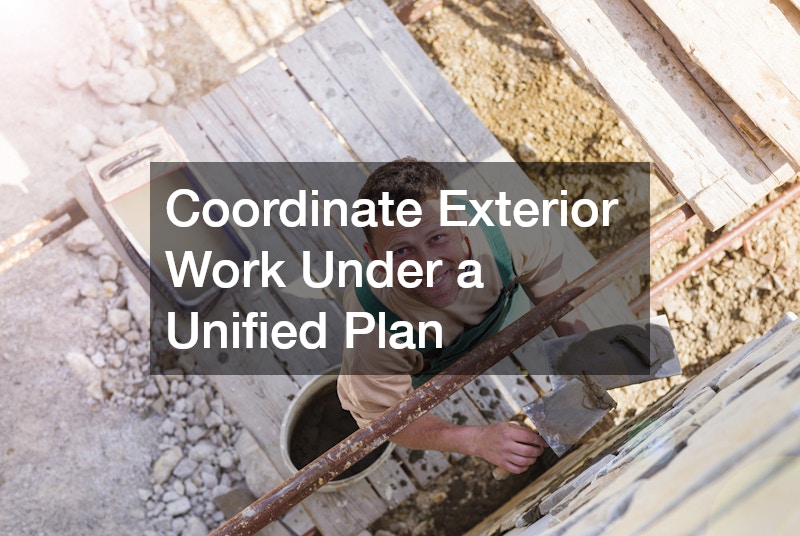
Exterior renovations often involve multiple trades working at different times, each with its own scope, schedule, and priorities. Without centralized oversight, projects can become fragmented, leading to inconsistent finishes, misaligned details, and increased maintenance challenges after completion. A qualified exterior contractor helps align timelines, materials, and responsibilities so that each phase of work builds on the last rather than undoing it.
When coordination is lacking, small issues can compound into larger problems that affect both appearance and durability. Finishes may be installed before protective measures are in place, or materials selected by different trades may not perform well together over time. Unified coordination reduces risks such as:
- Damage to completed surfaces by subsequent work
- Inconsistent detailing between adjacent features
- Overlapping warranties with unclear accountability
- Rework caused by sequencing conflicts
Effective coordination starts with clear planning and communication before work begins and continues through completion. Establishing expectations upfront helps each trade understand how their work fits into the overall project and what standards they are expected to meet.
Key coordination practices include:
- Establishing a clear scope of work for each phase so responsibilities are well defined
- Scheduling tasks to minimize exposure and damage to finished areas
- Confirming compatibility between materials and methods to prevent premature wear
- Maintaining consistent quality standards across trades to ensure a unified appearance
When exterior work is guided by a cohesive plan, each component supports the others rather than creating future maintenance conflicts. This approach reduces unnecessary repairs, preserves visual consistency, and ensures that the completed renovation performs as intended over the long term.
Balance Water Features With Ongoing Care Requirements
Water features enhance outdoor enjoyment, but they introduce mechanical systems and ongoing care obligations that must be considered alongside aesthetic goals. Pumps, filters, heaters, and plumbing all require periodic access and eventual replacement, making thoughtful planning essential. Addressing pool repair considerations early ensures that access, drainage, and equipment placement support long-term use without compromising surrounding design elements.
Common challenges often stem from prioritizing appearance over serviceability. When systems are difficult to reach or finishes are not suited to constant exposure, routine maintenance can become disruptive and costly. These issues frequently arise when:
- Equipment is difficult to reach without disturbing the landscaping
- Finishes are selected without regard for chemical exposure
- Drainage systems are undersized or poorly routed
- Structural elements are concealed without service access
Each of these challenges can lead to avoidable damage or frequent repairs. For example, removing hardscape or plantings to access equipment increases labor costs and risks altering the original design. Similarly, finishes that are not resistant to chemicals or moisture may degrade faster, requiring premature replacement.
Design strategies that reduce maintenance strain focus on accessibility and durability from the outset. Planning with service needs in mind allows repairs and inspections to occur efficiently and discreetly.
Effective strategies include:
- Providing clear service pathways that allow technicians to access equipment without disruption
- Selecting durable, chemical-resistant finishes that maintain appearance over time
- Planning overflow and drainage carefully to prevent water damage to the surrounding areas
- Allowing space for future component replacement as systems age or are upgraded
By anticipating service needs, homeowners avoid repeated disruptions and preserve the intended appearance of surrounding areas. This approach supports consistent performance while maintaining the visual integrity of outdoor spaces.
Design Statement Features With Practical Materials
Focal elements often define an exterior space, but they must withstand environmental exposure and frequent use. A custom fireplace, for example, requires careful material selection to balance visual impact with durability.
Key considerations include:
- Resistance to heat cycling and moisture penetration
- Stability during seasonal temperature changes
- Ease of cleaning and ash removal
- Compatibility with surrounding surfaces
Designing these features for longevity involves:
- Selecting masonry or finishes rated for exterior use
- Ensuring proper ventilation and drainage
- Avoiding concealed cavities that trap moisture
- Providing access for inspection and maintenance
When statement features are designed with practicality in mind, they remain assets rather than liabilities.
Select Finishes That Maintain Visual Impact Over Time
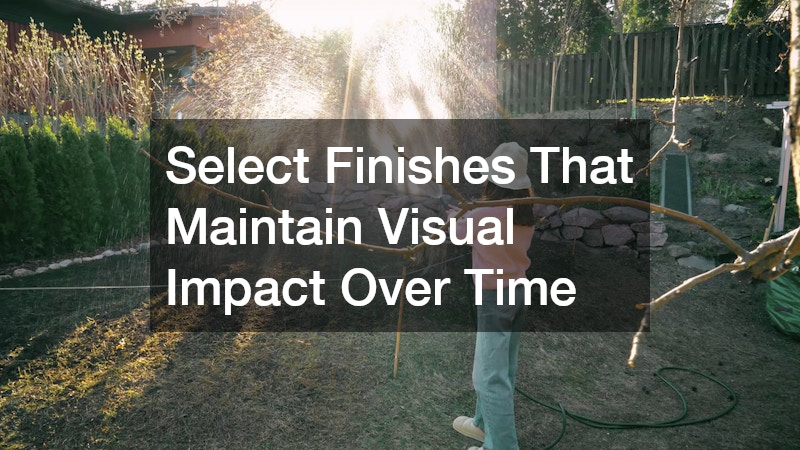
Surface finishes play a major role in curb appeal, but they also determine how often maintenance will be required. Choosing the right exterior paint involves more than color selection; it requires understanding exposure, substrate conditions, and environmental stressors.
Factors influencing finish performance include:
- Sun exposure and UV intensity
- Moisture levels and humidity
- Surface preparation quality
- Compatibility with underlying materials
To extend the lifespan:
- Use coatings appropriate for each surface type
- Avoid dark colors in high-heat environments
- Maintain consistent preparation standards
- Plan realistic repainting cycles
Well-selected finishes age gracefully and reduce the frequency of refinishing projects.
Install Boundaries That Combine Strength and Style
Fencing and boundary elements contribute both security and design continuity. However, they must withstand weather, soil movement, and regular use. Working with an experienced iron fence installer helps ensure structural stability and long-term durability.
Common maintenance concerns include:
- Corrosion from moisture exposure
- Misalignment due to soil movement
- Difficulty accessing fasteners or joints
- Incompatibility with adjacent materials
Design and installation best practices include:
- Using protective coatings suitable for local conditions
- Allowing for expansion and ground movement
- Planning access for cleaning and repairs
- Coordinating fence design with surrounding finishes
Boundaries that are thoughtfully installed retain their function and appearance with minimal upkeep.
Design Outdoor Furnishings for Durability and Use
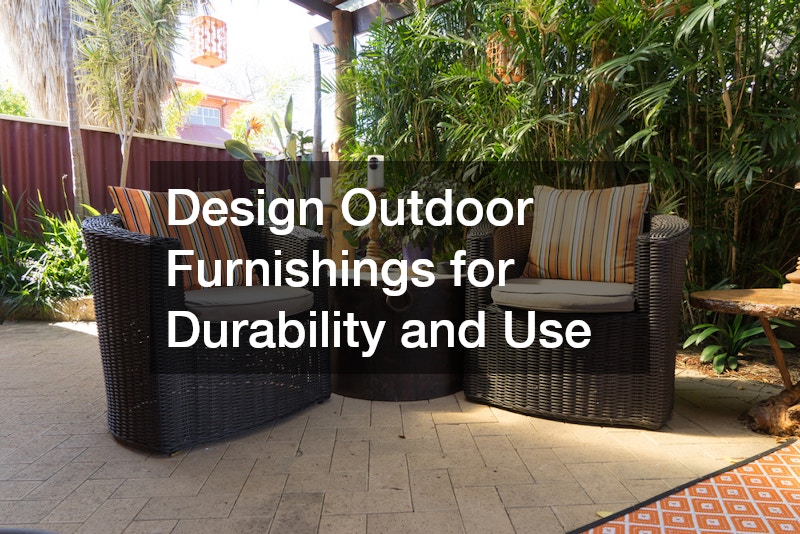
Outdoor furnishings often receive less planning attention, yet they significantly affect usability and maintenance demands. Selecting durable materials for features such as a glass table top requires balancing aesthetics with safety and care requirements.
Important considerations include:
- Resistance to temperature changes
- Safety under impact or heavy use
- Ease of cleaning without specialized products
- Stability in wind or on uneven surfaces
Practical planning tips:
- Choose tempered materials rated for exterior use
- Avoid sharp edges in high-traffic areas
- Provide storage options during extreme weather
- Match furnishings to the overall design palette
Durable furnishings support daily use without constant replacement or repair.
Create a Sustainable Maintenance Strategy
No exterior renovation remains maintenance-free, but thoughtful planning can significantly reduce ongoing effort. Coordinating landscapes, hardscapes, and systems with lawn care services helps maintain consistency and prevent overgrowth-related damage.
A sustainable maintenance strategy includes:
- Aligning plant selection with maintenance capacity
- Coordinating mowing and edging with fixed features
- Preventing vegetation from encroaching on structures
- Scheduling seasonal inspections proactively
Long-term success depends on:
- Clear documentation of maintenance requirements
- Realistic budgeting for upkeep
- Regular evaluation of performance
- Adjusting strategies as conditions change
When maintenance is planned rather than reactive, exterior spaces remain functional and attractive year after year.
Balancing aesthetics and maintenance in exterior renovations requires a shift in perspective—from short-term appearance to long-term performance. Every decision, from material selection to layout planning, influences how an exterior space will age and how much effort it will demand over time. By integrating maintenance considerations early, coordinating work carefully, and selecting durable solutions, homeowners can create outdoor environments that retain their appeal without becoming burdensome.
Exterior renovations that are designed with longevity in mind deliver lasting value, consistent performance, and a more enjoyable ownership experience.