

Running out of space is one of the most common frustrations homeowners face. Closets overflow, garages slowly fill with forgotten items, and seasonal decorations seem to multiply every year. Yet many people hesitate to begin major renovations simply to gain more storage. Full remodels are expensive, disruptive, and often unnecessary.
Fortunately, improving storage doesn’t have to involve tearing down walls or adding entire rooms. Modern homeowners are finding creative ways to organize their belongings using flexible structures, smarter layouts, and strategic upgrades both inside and outside the home. These solutions are often faster, more affordable, and surprisingly effective.
A thoughtful approach to storage focuses on two things: using overlooked areas more efficiently and preventing clutter from accumulating in the first place. Sometimes the solution is as simple as reorganizing a single room. Other times, it involves adding small structures or systems that dramatically expand your storage capacity.
Throughout this guide, you’ll discover practical ideas for reclaiming space around your home. Whether you’re dealing with an overfilled garage, a crowded basement, or an outdoor area that could serve a bigger purpose, the goal is the same: create functional storage without the stress of a large renovation project.
Rethinking Outdoor Storage With Multi-Purpose Structures
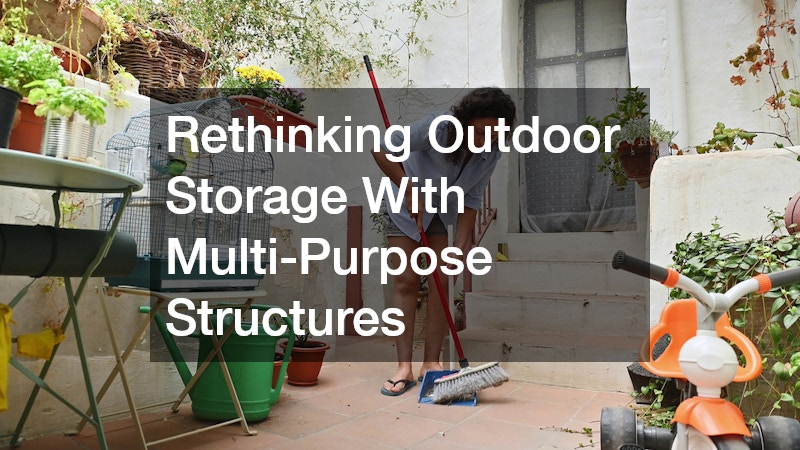
Outdoor spaces are often underused when it comes to storage. Many homeowners focus entirely on indoor closets and cabinets while ignoring the valuable square footage available outside. A few well-placed structures can dramatically reduce indoor clutter while keeping tools and equipment easily accessible.
One of the most effective additions is a backyard shed. Today’s designs go far beyond the traditional wooden box tucked into the corner of a yard. Modern versions come in sleek styles that match contemporary homes, with features like skylights, ventilation, and built-in shelving systems.
A thoughtfully placed shed can store items such as:
- Lawn equipment
- Gardening supplies
- Bicycles and outdoor sports gear
- Patio furniture cushions
- Seasonal decorations
Instead of stacking these items in the garage or basement, placing them in a dedicated outdoor space frees up indoor storage immediately.
Another versatile solution is the use of durable storage containers designed for outdoor conditions. These containers are weather-resistant and come in a variety of sizes, from small deck boxes to large industrial-grade units. They work especially well for bulky items that don’t require daily access.
For example, homeowners often place storage containers along a fence line or behind a garden area to hold:
- Pool accessories
- Outdoor toys
- Camping gear
- Extra gardening soil and tools
The key is organization inside the container itself. Installing simple shelves or using labeled bins can prevent the container from becoming a chaotic pile of items.
It’s also worth considering how outdoor storage can visually blend into your yard. Landscaping around these structures can help them feel like an intentional part of the property rather than an afterthought. A gravel base, small pathway, or surrounding plants can transform a simple storage area into a tidy and attractive extension of your home.
With just a little planning, outdoor storage solutions can reduce indoor clutter while keeping your yard functional and organized.
Turning Your Garage Into a Highly Organized Storage Hub
For many households, the garage gradually becomes the default storage space for everything that doesn’t fit elsewhere. Unfortunately, this often leads to piles of boxes, tools scattered across workbenches, and barely enough room to park a car.
Transforming a garage into a well-organized storage hub doesn’t require major construction. Instead, the focus should be on maximizing vertical space, improving access, and making the area feel like a usable part of the home.
Start by examining the layout of the space. Walls and ceilings are frequently underutilized in garages, yet they provide ideal locations for storage systems. Installing vertical rails or mounted racks allows you to hang tools, ladders, bicycles, and garden equipment without sacrificing floor space.
Ceiling racks can hold items that are only used occasionally, such as holiday decorations or camping gear. By moving these items overhead, the floor becomes easier to navigate and much safer.
Access to the garage also plays a role in how functional the space feels. A smooth-operating garage door makes daily use easier, especially when storing items you need frequently. Modern doors with built-in windows can also increase natural light, making the garage feel less like a dark utility space.
Lighting upgrades can further improve the environment. Bright LED fixtures help you find items quickly and make the space more comfortable for projects or repairs.
Another upgrade that surprises many homeowners is improving the flooring. While concrete is durable, it can feel cold and unfinished. Some homeowners opt for specialized hardwood flooring alternatives designed to withstand garage conditions while creating a cleaner and more polished look.
A finished floor can make the space feel less like a storage dump and more like an organized workshop. When the environment looks intentional, it becomes easier to maintain order.
To maintain long-term organization, consider creating zones within the garage. For instance:
- A gardening area with shelves for pots and soil
- A tool station with pegboards and work surfaces
- A sports equipment corner with labeled bins
This simple zoning system prevents items from drifting across the garage over time.
When thoughtfully arranged, the garage can become one of the most efficient storage areas in your home.
Creating Hidden Storage Throughout Your Living Spaces

Sometimes the best storage solutions are the ones you barely notice. Hidden storage helps maintain a clean, uncluttered aesthetic while quietly increasing the capacity of your home.
One approach involves flexible room dividers that allow spaces to change function throughout the day. Retractable screens, for example, can separate a living room from a workspace or play area without permanently altering the room’s layout.
When not needed, retractable screens disappear neatly into a wall housing or frame. This makes them ideal for open-concept homes where flexibility matters. While they primarily act as room dividers, they can also help define storage zones without building new walls.
For instance, a small home office area behind a screen might include shelving for documents and supplies. When the workday ends, the screen can retract, returning the room to its original open layout.
Another effective strategy involves rotating belongings based on the season. Many households keep all items on-site year-round, even when they are only used for a few weeks annually. This includes holiday decorations, winter equipment, and large seasonal décor.
Professional storage services offer a practical alternative. By temporarily storing rarely used items off-site, homeowners can keep their living spaces uncluttered while still retaining access when needed.
This approach works especially well for items like:
- Holiday decorations
- Seasonal sports equipment
- Large party supplies
- Temporary furniture
Rotating items in and out of storage throughout the year keeps closets and storage rooms manageable.
Furniture itself can also contribute to hidden storage. Many modern pieces are designed with concealed compartments that maintain a minimalist appearance while storing everyday items.
Examples include:
- Beds with built-in drawers underneath
- Coffee tables with lift-top storage
- Benches that double as blanket chests
These solutions are particularly helpful in smaller homes or apartments where every square foot matters.
When hidden storage is incorporated thoughtfully, rooms remain clean and visually calm while still accommodating the practical realities of everyday life.
Making Use of Unconventional Storage Opportunities
Not all storage solutions come from traditional furniture or structures. Sometimes the most effective upgrades come from rethinking objects that were never originally intended for home storage.
Portable structures can be surprisingly useful in this regard. Some homeowners, for example, convert used trailers into dedicated storage units. Positioned discreetly along a property edge or behind a fence, these trailers can hold large tools, hobby equipment, or outdoor supplies.
Inside the trailer, simple shelving and lighting can turn the space into a well-organized mobile storage unit. Because trailers are designed for durability and weather resistance, they can safely house many items that might otherwise clutter a garage.
This type of solution is particularly appealing for homeowners who enjoy projects like woodworking, gardening, or vehicle maintenance. Having a separate space for specialized tools keeps the main home environment cleaner and easier to maintain.
Decluttering also plays a major role in improving storage capacity. Many homes contain items that no longer serve a purpose but continue to occupy valuable space.
Old appliances, broken equipment, and leftover construction materials often accumulate in garages or yards. Rather than letting these items pile up, scrap metal recycling offers a responsible way to remove them while reclaiming space.
Recycling facilities commonly accept items such as:
- Old pipes and metal fixtures
- Worn-out appliances
- Metal shelving or furniture
- Automotive parts
Once these items are removed, homeowners often discover they have far more storage space than they realized.
Creating a habit of regular decluttering can prevent storage areas from becoming overwhelming again. A simple quarterly cleanup—reviewing items and removing what is no longer needed—can maintain order throughout the year.
Unconventional storage strategies may require a little creativity, but they can deliver impressive results without requiring expensive construction projects.
Protecting Your Home While Creating Functional Storage Areas
Storage improvements should always consider the long-term protection of your home. Adding shelves or stacking boxes might seem simple, but if the environment is not properly maintained, stored items can quickly become damaged.
Basements, for example, are often used for storage but can also be vulnerable to moisture problems. Installing or maintaining a reliable sump pump helps prevent water from accumulating during heavy rain or plumbing issues.
A properly functioning sump pump removes excess water before it has a chance to damage stored belongings. This is especially important for homes located in regions with frequent storms or high groundwater levels.
Even with a pump installed, it’s wise to store items on raised shelving rather than directly on the floor. This small precaution can prevent significant losses if unexpected water enters the space.
Another critical consideration is the condition of the roof. Storage areas located in attics or upper levels rely on the home’s roofing system to remain dry and secure. Small leaks can easily go unnoticed until boxes, clothing, or documents become damaged.
Scheduling regular inspections and addressing roof repairs promptly can prevent these problems. Catching issues early is far less expensive than replacing belongings or repairing structural damage caused by prolonged leaks.
Attics can become valuable storage zones once the structure is properly maintained. Installing basic flooring panels between joists and adding sturdy shelving can transform an unused attic into a practical storage area.
However, it’s important to avoid overcrowding the space. Proper airflow and insulation must remain intact to protect the home’s energy efficiency and structural health.
For any storage area—whether in the basement, attic, or garage—durability matters. Waterproof containers, labeled shelving, and moisture control tools such as dehumidifiers can all help maintain a safe environment for stored items.
By addressing these protective measures first, homeowners can confidently expand their storage capacity without risking damage to their belongings or the home itself.
Final Thoughts on Building a More Organized Home
Creating more storage space does not always require knocking down walls or launching an expensive renovation project. With careful planning and a willingness to rethink how different areas of the home are used, it’s possible to dramatically improve organization using smaller, strategic upgrades.
Outdoor structures, improved garage layouts, hidden storage furniture, and creative reuse of existing materials can all contribute to a more functional living environment. At the same time, regular maintenance and thoughtful decluttering ensure that these systems remain effective over time.
The ultimate goal isn’t simply to store more belongings—it’s to create a home that feels calm, organized, and easy to live in. When storage is thoughtfully designed, everyday routines become smoother, spaces feel more open, and the entire home becomes easier to maintain.
With a few modern strategies and a bit of creativity, homeowners can achieve meaningful improvements without the disruption of major construction.