
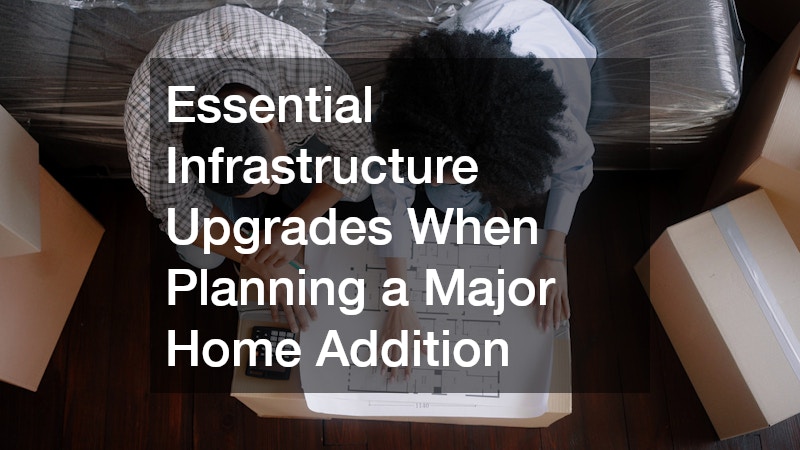
The prospect of expanding your living space with a major home addition is an exhilarating milestone for any homeowner. Whether you are envisioning a sprawling main-level master suite, a sunlit family room, or a massive kitchen extension to accommodate a growing family, the creative design phase is filled with exciting choices regarding finishes, layouts, and aesthetics. It is easy to get swept up in selecting the perfect hardwood flooring, choosing paint palettes, or finalizing custom cabinetry. However, the success of a major home expansion relies entirely on choices made far below the surface.
A home addition is fundamentally different from a standard interior remodel. It is not an isolated box bolted onto the exterior of your existing house; rather, it is a significant extension of a living, breathing ecosystem. Your home’s current mechanical, electrical, structural, and thermal systems were engineered to support a very specific footprint and volume of space. Introducing massive new square footage creates an immediate, heavy demand on that existing infrastructure. Ignoring these foundational elements during the planning phase is one of the most expensive mistakes a homeowner can make. This guide provides a comprehensive blueprint of the critical behind-the-scenes upgrades required to ensure your new space is safe, comfortable, and structurally sound for decades to come.
1. Powering the New Footprint: Scaling Your Electrical Capacity

When you add a substantial amount of square footage to your property, you aren’t just adding walls and a roof; you are introducing a host of new power demands. Modern home additions often feature sophisticated lighting systems, dedicated heating and cooling zones, smart home automation, media setups, and a variety of convenience outlets. If your home was built several decades ago, its electrical infrastructure was likely designed for a fraction of the power load that modern families consume on a daily basis.
Trying to simply extend your existing circuits to power a brand-new wing of the house is a recipe for chronic technical frustration and serious safety hazards. Overloaded circuits result in flickering lights, tripped breakers, and dangerous overheating within your walls. Before any framing begins, a total audit of your current electrical capacity must be performed to determine if your main service can handle the expansion.
An older 100-amp electrical panel simply cannot handle the load of a modern addition, especially when factoring in central climate control, automated systems, and high-draw kitchen or bathroom appliances. Attempting to force an outdated hub to feed a brand-new wing creates severe fire hazards and constant breaker trips. Upgrading to a comprehensive 200-amp or 400-amp configuration is an absolute necessity to distribute power safely to both the old structure and the new zone.
To integrate the new space safely, homeowners must focus on upgrading their core power hub and addressing any hidden vulnerabilities:
- Service Panel Modernization: A comprehensive electrical panel replacement ensures that your home can safely distribute power without overloading the system. Upgrading to a 200-amp or 400-amp service provides the necessary capacity for new branch circuits and prevents systemic power failures.
- Remediating Existing Vulnerabilities: The physical process of cutting into walls to connect the new addition often exposes historical safety issues in older homes, such as degraded insulation, knob-and-tube wiring, or ungrounded boxes. Performing comprehensive electrical repairs on these older sections during the tie-in phase ensures the entire home operates on a uniform, modern safety standard.
- Dedicated Branch Circuits: High-load items in the new addition, such as a localized heat pump, an electric fireplace, or a luxurious bathroom floor-warming system, must be run on their own isolated lines rather than sharing power with existing bedrooms.
Investing in these robust electrical upgrades upfront guarantees that your new space functions seamlessly without putting your family or property at risk from electrical fires or systemic power failures.
2. Hiring the Right Technical Experts for Main System Tie-Ins
Because infrastructure modifications carry substantial regulatory and safety implications, they are never the place for cutting corners or attempting unpermitted, do-it-yourself work. A major expansion involves a complex web of code compliance, engineering calculations, and permitting that requires specialized trade licensing. Navigating these requirements demands a professional team that can look at the house as a single unified system.
One of the most important steps in the pre-construction phase is securing highly accurate load calculations. For example, your existing heating, ventilation, and air conditioning system cannot simply be connected to new ductwork without a proper evaluation. Doing so will unbalance the entire airflow of the house, leaving your original rooms freezing in the winter and your new addition sweltering in the summer.
The standard administrative and structural workflow requires a clear, professional sequence to avoid costly mistakes. First, a certified professional must calculate electrical and HVAC load demands. Once these calculations are complete, a licensed team coordinates the physical connections between the old house and the expansion. This meticulous management ensures that everything passes local inspections, avoids building code violations, and protects your home insurance policies.
To manage these intense technical requirements, homeowners must partner with certified professionals who specialize in large-scale residential projects:
- Certified Electrical Layouts: Relying on a qualified local electrician ensures that all new wiring paths comply with the latest national and municipal codes, arc-fault circuit interrupters are correctly deployed, and proper grounding is established across the entire expanded property.
- Comprehensive Project Oversight: A major addition is a massive exercise in logistics, requiring deep excavations, structural framing, and intricate roof tie-ins. Managing this complex sequence of events requires a firm grounding in the fundamentals of large-scale home construction, where zoning laws, setback requirements, and structural engineering approvals must be meticulously managed.
By working with licensed, local professionals, you ensure that every modification is fully permitted, inspected by local officials, and backed by professional warranties. This not only keeps your family safe but also protects your financial investment when it comes time to sell the property in the future.
3. Fortifying the Thermal Envelope: Advanced Climate Control
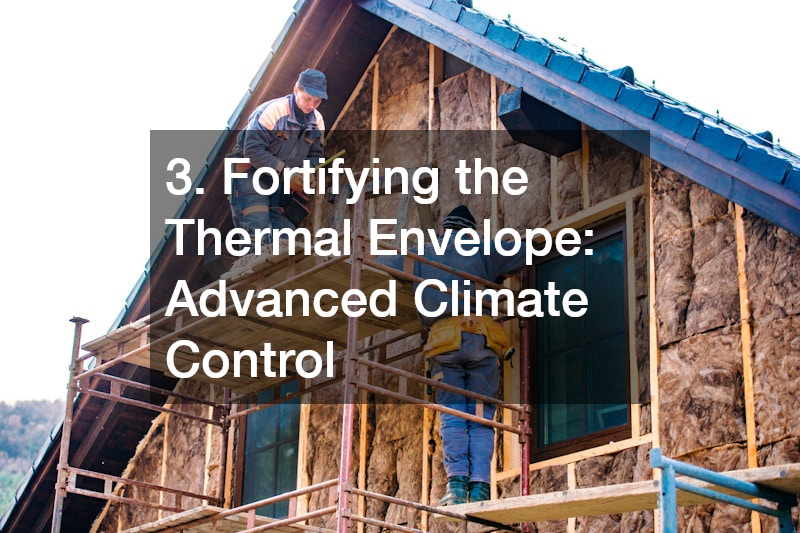
One of the most common complaints homeowners voice after completing a major addition is that the new space feels drafty, damp, or incredibly difficult to keep at a stable temperature. This unfortunate phenomenon is often referred to as “bonus room syndrome.” It happens when a builder focuses strictly on matching the visual style of the addition but fails to design a continuous, high-performance thermal envelope where the new structure joins the old house.
The thermal envelope consists of the continuous barrier of insulation, air sealing, and high-efficiency windows that shield your living spaces from exterior weather extremes. When you cut open an exterior wall of an existing home to build an addition, you break that original thermal seal. If that transition point isn’t handled with extreme precision, it becomes a massive highway for energy loss, moisture infiltration, and drafts.
While traditional fiberglass batts are susceptible to air drafts at the seams and can sag over time within wall cavities, modern insulation strategies focus on continuous air-sealing. By utilizing spray-applied or rigid barrier products, specialists can eliminate gaps in complex framing and form an overlapping membrane where the old and new structures meet, yielding significantly higher thermal efficiency and uniform indoor comfort.
Achieving total climate comfort in your expanded home requires a modern, strategic approach to insulation and structural integration:
- Precision Air Sealing: Every gap, seam, and junction where new wood framing meets the original brick, siding, or concrete must be aggressively sealed using specialized flashing tapes and expanding foams to prevent air leakage.
- High-Performance Material Application: Partnering with a specialized insulation contractor allows you to move beyond basic fiberglass batts. They can utilize advanced spray foam or rigid continuous exterior insulation to eliminate thermal bridging—the process where cold or heat transfers directly through the solid wood studs of your walls.
- Coordinating the Primary Shell: The ultimate comfort of the space depends entirely on how well the overarching shell is constructed. Working alongside experienced residential builders ensures that the advanced insulation materials are integrated perfectly with structurally sound framing, correct house wraps, and high-efficiency double- or triple-pane windows from day one.
When your thermal envelope is executed flawlessly, your new addition will maintain a perfectly stable climate year-round, and your utility bills will remain manageable rather than skyrocketing due to systemic energy loss.
4. Unifying the Roofline: Structural Integration and Weatherproofing
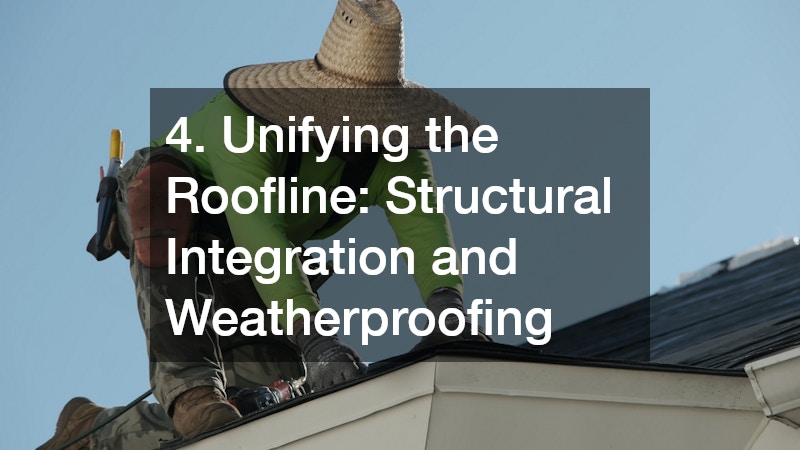
Perhaps the most structurally sensitive element of any major home addition is the point where the new roofline meets the old one. This transition area, often forming a complex valley or a pitch transition, is the single most common site for catastrophic water leaks, rot, and structural failure in residential construction. Diverting thousands of gallons of rainwater away from a complex structural seam requires impeccable design and bulletproof execution.
Before any shingles are laid down, engineers must assess whether the existing roof structure can handle the altered load paths created by the new roof. Snow loads, wind resistance, and drainage patterns are completely altered whenever a roofline is extended or modified. Furthermore, patching new shingles into a roof that is already ten or fifteen years old is rarely a smart long-term strategy. The old shingles will degrade at a much faster rate, leading to a mismatched appearance and early failure at the critical transition seams.
Rather than managing a vulnerable patch job at a roof valley, a holistic approach protects your asset long-term. Safely managing a major roof transition requires stripping away old layers, reinforcing underlying roof decks, and laying down a continuous ice and water shield. Following this with a complete, uniform shingle or metal replacement across both the old and new roof planes ensures water flows away from the house without meeting weak, mismatched seams.
To guarantee that your home remains completely dry and protected from overhead elements, focus on these critical roofing upgrades:
- Comprehensive Material Overhauls: Rather than attempting a risky patch job that leaves old, worn materials adjacent to new construction, committing to a complete roof replacement over the entire expanded structure is often the wisest financial choice. This ensures a uniform warranty, identical weathering characteristics, and a completely seamless protective barrier across the whole house.
- High-Performance Underlayments: The valleys and tie-in zones must be lined with self-adhering ice and water shields, heavy-gauge metal flashing, and premium synthetic underlayments before the primary roofing material is installed.
- Specialized Trade Execution: Roof integration is highly technical and unforgiving of minor errors. Deploying certified, factory-trained roofers ensures that every valley, flashing point, ridge vent, and chimney tie-in is executed with precision, eliminating the risk of hidden slow leaks that cause toxic mold and structural rot inside your new ceilings.
Additionally, don’t overlook roof ventilation. A major addition requires a carefully calculated ventilation strategy—combining intake soffit vents with exhaust ridge vents—to prevent attic heat buildup in the summer and devastating ice dams in the freezing winter months.
5. Seamless Exterior Wrapping: Moisture Barriers and Cladding
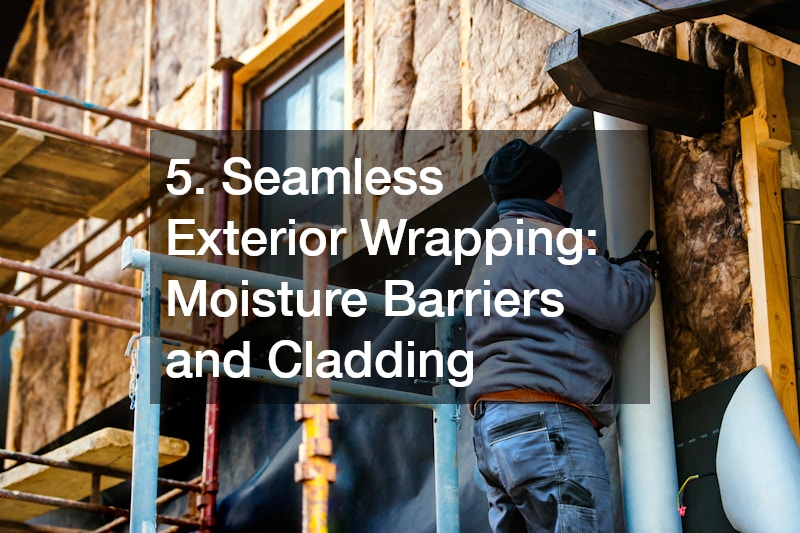
The final line of defense for your new infrastructure is the exterior cladding and moisture management system. Just like the roof line, the vertical exterior walls where the new addition bridges out from the original home require rigorous waterproofing. Water has an uncanny ability to find the smallest flaw in an exterior wall, and once it penetrates the outer cladding, it can silently destroy the structural wood framing long before you ever see a stain on your interior drywall.
Before any exterior finish is applied, a continuous weather-resistive barrier, commonly known as house wrap, must be meticulously installed. This wrap must overlap the original house wrap seamlessly at the junction point. Specialized flashing must be installed around all new windows, doors, and horizontal-to-vertical transitions to shed water outward and away from the home’s interior structural core.
Once the underlying moisture barriers are perfectly secure, the focus shifts to selecting and applying the final exterior finish. This step is crucial for both aesthetic harmony and long-term protection:
- Durable Cladding Profiles: For homes wrapped in traditional or modern wood profiles, a fresh, comprehensive siding installation across the new addition—and often extending across matching sections of the old house—provides a crisp, unified look while delivering exceptional defense against wind-driven rain and pest intrusion.
- Premium Masonry Integration: If your property features a classic or modern plaster finish, securing specialized local stucco services is essential. Professional plaster artisans understand how to bridge the expansion joint between old and new walls using metal lath, casing beads, and flexible elastomeric sealants, preventing the ugly, water-inviting cracks that naturally occur as an addition settles over time.
By focusing heavily on moisture diversion and selecting premium, climate-appropriate cladding, you wrap your new home addition in a durable, beautiful protective shield that keeps the underlying framing dry, sturdy, and secure for a lifetime.
Conclusion
By prioritizing an upgraded electrical system, partnering with certified trade experts, fortifying your thermal envelope with high-performance insulation, and executing flawless, unified roof and wall transitions, you insulate yourself from the nightmare of future structural repairs and uncomfortable living spaces. Investing your time, energy, and budget into these foundational upgrades before focusing on cosmetic finishes is the ultimate hallmark of a smart homeowner. When the hidden infrastructure of your home is built to last, your new addition will deliver absolute comfort, safety, and peace of mind for as long as you call the house your home.