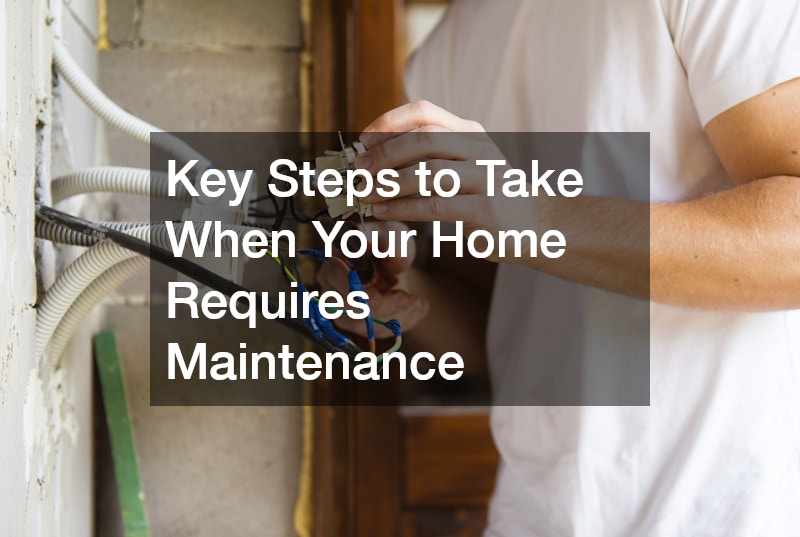

For most homeowners, home improvement often means fresh paint, hardwood floors, updated kitchen cabinets, and stylish light fixtures. While these enhancements boost appeal, they are just part of a more complex system. Beneath the surface lies a network of structural and mechanical systems crucial to a home’s function. When these systems are efficient, the home is safe and comfortable, but when neglected, even a well-decorated home can become a liability.
Adopting a proactive, systems-based maintenance approach effectively protects your financial investment and improves your quality of life. Reacting to breakdowns only incurs high emergency repair costs and stress. Understanding and optimizing home systems can reduce utility bills, prevent structural failures, and keep your space adaptable to modern needs.
Auditing Your Thermal Envelope for Maximum Efficiency

The first step in stabilizing your indoor environment is securing the boundary between your conditioned living space and the harsh exterior elements. Air leakage is a silent drain on financial resources, often accounting for a significant percentage of a home’s total heating and cooling waste. While minor gaps around exterior doors can be mitigated with simple weatherstripping, the largest sources of energy loss typically occur through aging or poorly insulated fenestration.
Over time, window seals fail, frames warp, and older single-pane glass allows outside temperatures to transfer directly into your rooms. When you notice persistent drafts, condensation trapped between glass layers, or rooms that refuse to stay cool in the summer, it is usually time to consult a qualified window replacement company. Upgrading to modern double- or triple-pane units equipped with low-emissivity coatings drastically reduces solar heat gain and thermal loss. This structural upgrade fundamentally alters the energy dynamics of the property, creating a tight thermal seal that immediately minimizes the workload placed on your interior heating and cooling devices.
- Check for drafts by running a lit incense stick along window frames and baseboards on a windy day; dancing smoke indicates a leak.
- Inspect attic access hatches and pull-down stairs, as these are major avenues for conditioned air to escape into unconditioned spaces.
- Seal foundational gaps and sill plates using high-quality expandable polyurethane foam or exterior-grade silicone caulk.
Upgrading and Maintaining Your Year-Round Comfort Network
Once the physical structure of the home is sealed, you must turn your attention to the mechanical network responsible for circulating, filtering, and conditioning the air. A well-optimized HVAC system is the heart of residential comfort, managing not just temperature but also humidity levels and indoor air pollutants. Neglecting this system leads to uneven airflow, stagnant pockets of air, and a buildup of allergens that can compromise respiratory health.
To maintain optimal performance, homeowners must commit to a rigid schedule of preventative care. This includes changing air filters every ninety days, keeping outdoor condenser units free of organic debris, and ensuring that interior registers are never blocked by heavy furniture or drapes. However, even the most meticulously maintained mechanical systems eventually reach the end of their operational lifespan, which typically ranges between fifteen and twenty years. When an older unit begins requiring frequent, costly repairs or struggles to maintain a consistent temperature during extreme weather events, investing in a complete air conditioning replacement becomes the most financially sound decision. Modern replacement units utilize advanced inverter technology and variable-speed blowers to deliver precise cooling while using a fraction of the electricity consumed by legacy models, paying for themselves over time through reduced utility costs.
- Schedule professional mechanical inspections twice per year, ideally in the early spring and early autumn before extreme seasonal weather hits.
- Clean the evaporator and condenser coils annually to prevent dust buildup from insulating the metal and reducing heat transfer efficiency.
- Verify that your ductwork is fully sealed and insulated in unconditioned areas like crawlspaces or attics to prevent conditioned air from escaping before reaching your rooms.
Hard Water Remediation and Piping Integrity
The quality of the water entering your property directly impacts the longevity of your entire infrastructure. Millions of homes suffer from hard water, which contains high concentrations of dissolved minerals like calcium and magnesium. While not harmful to human health, hard water leaves stubborn scale deposits inside copper and PEX lines, restricts water pressure, and coats the heating elements of water heaters, forcing them to burn more energy to heat the same volume of water. Over time, this mineral buildup corrodes valves and ruins expensive appliances like dishwashers and washing machines.
Resolving these issues requires an analytical approach that starts with an accurate water chemistry test. Once you understand the specific mineral and chemical makeup of your supply, you can deploy professional water treatment services to install whole-house water softeners or multi-stage filtration units. These treatment systems neutralize harmful minerals before they ever enter your piping network, protecting your investment and ensuring clean water throughout the home. For complex retrofits or when existing scale has already damaged localized sections of pipe, it is essential to work alongside certified plumbing contractors. These professionals can repipe vulnerable sections of the home, replace failing shutoff valves, and install pressure-regulating valves to ensure that high municipal water pressure does not stress your joints and connections.
- Monitor the aerators on your faucets for white, crusty mineral buildup, which serves as a primary indicator of hard water issues.
- Test water pressure using a simple screw-on gauge attached to an outdoor hose bib; ideal residential pressure should sit between 40 and 60 psi.
- Flush your traditional tank water heater at least once per year to remove accumulated sediment from the bottom of the reservoir.
Keeping the Lines Clear and Managing Off-Grid Waste
The drainage side of your water system operates entirely on gravity and proper venting. Because drain lines are out of sight, they are frequently neglected until a slow drain turns into a complete blockage that floods a bathroom or kitchen. Grease, hair, soap scum, and flushable wipes accumulate gradually along the inner walls of main sewer lines, narrowing the passage until a backup occurs.
Regularly utilizing professional drain cleaning services is an excellent way to maintain clear pathways. Modern drainage experts use specialized diagnostic cameras to inspect the interior of your pipes, identifying root intrusions or bellied lines before using high-pressure hydro-jetting to blast away decades of accumulated sludge. For homes that are not connected to a municipal grid, waste management becomes an even more hands-on responsibility. Maintaining property health requires partnering with reliable septic system services to manage the underground holding tank and drainage field. These specialists ensure the tank is pumped out every three to five years, inspect the baffling that prevents solids from entering the leach field, and verify that the biological balance within the tank is actively breaking down waste.
- Never pour cooking oils, animal fats, or coffee grounds down the kitchen sink, even if you have a powerful garbage disposal.
- Install mesh hair strainers over all shower and bathtub drains to catch debris before it can enter the subterranean plumbing network.
- Avoid planting deep-rooted trees or large shrubs anywhere near your underground sewer lateral or septic drain field to prevent structural root damage.
Modernizing Your Breaker Panel for Smart Home Demands

The central nervous system of your home’s electrical grid is the main service panel. This panel distributes electricity to various circuits throughout the house and utilizes circuit breakers to automatically shut off power if a current reaches unsafe levels. Older properties often feature outdated panels that lack the physical space or amperage capacity to handle modern electrical loads safely.
If you experience frequently tripping breakers, flickering lights when a major appliance turns on, or notice a warm sensation when touching the panel door, your electrical infrastructure is struggling to keep pace with demand. Resolving these issues requires the expertise of a licensed residential electrician who can perform a comprehensive home load calculation. A qualified professional can upgrade an outdated 100-amp service to a modern 200-amp or 400-amp configuration, install dedicated circuits for high-demand areas, and integrate whole-home surge protection to shield your expensive smart devices from sudden grid fluctuations.
- Label every circuit breaker clearly on the panel index map so you can quickly isolate specific zones during an emergency or minor repair.
- Test all Ground Fault Circuit Interrupter outlets monthly by pressing the test and reset buttons to ensure they still provide shock protection.
- Replace standard wall outlets with modern tamper-resistant models, especially in homes with small children or pets.
Enhancing Seasonal Cooling Infrastructure
As global temperatures shift, summer cooling demands place an unprecedented amount of strain on residential electrical grids. A home’s cooling devices are often the single largest consumers of electricity in the property, and their initial startup draw can cause significant voltage drops across shared electrical circuits if the wiring is improper.
To protect your electronics and keep your home safe, you must ensure that your specialized air conditioning services include a thorough evaluation of the electrical feeds supporting your cooling units. Dedicated circuits with appropriately rated wiring and disconnect boxes must be run directly from the main panel to the exterior compressor. This specialized configuration prevents the heavy electrical draw of the cooling equipment from overloading household lighting or entertainment circuits. Furthermore, incorporating smart thermostats allows you to program your cooling cycles around peak demand hours, minimizing energy expenses while maintaining a stable internal temperature.
- Inspect the insulation on the outdoor electrical whip leading to your air conditioning condenser to ensure it hasn’t cracked from UV exposure.
- Ensure that all outdoor electrical components are housed in weatherproof, code-compliant enclosures to prevent moisture intrusion.
- Utilize smart home automation to stagger the startup times of heavy appliances, reducing the initial peak load on your electrical panel.
Fortifying the Roofline Against Severe Weather Elements
Your roof is the first line of defense against atmospheric hazards, enduring intense sun, heavy snow, high winds, and torrential downpours. Because roof degradation happens gradually, many homeowners fail to realize their barrier is compromised until water begins staining ceiling drywall or rotting attic rafters.
Maintaining structural integrity requires periodic inspections from the ground using binoculars, looking for missing shingles, exposed nails, or buckled flashing around chimneys and vents. When structural wear becomes widespread, partnering with an experienced roofing company is critical to designing a durable replacement strategy. Modern roof construction involves laying down advanced synthetic underlayments, ice and water shields in vulnerable valleys, and utilizing high-performance shingles designed to resist wind damage and algae growth. A correctly installed, properly ventilated roof system sheds water effortlessly while allowing trapped attic moisture to escape, preventing structural rot and keeping your home dry.
- Inspect your attic floor after heavy rainstorms for signs of active moisture, damp insulation, or the faint smell of mildew.
- Keep overhanging tree branches trimmed back at least ten feet from the roof surface to prevent physical scraping and block pest access.
- Verify that your roof ridge vents and soffit vents are completely clear of debris to maintain continuous attic airflow.
Redirecting Heavy Rainfall Away from the Foundation
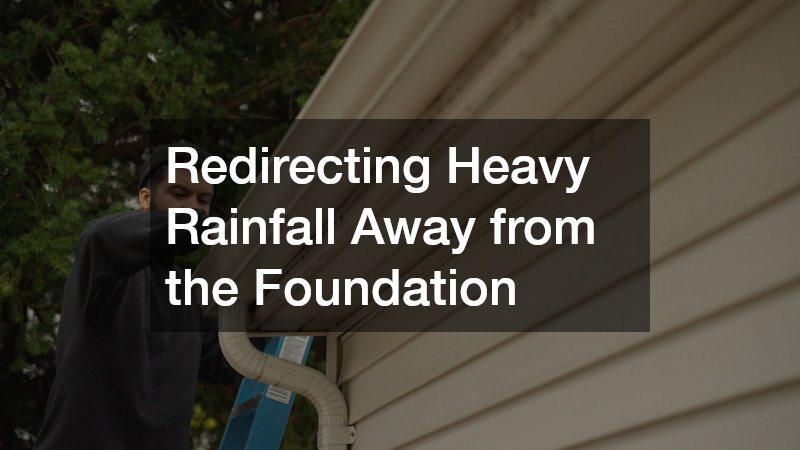
Shedding water off the roof is only half the battle; once that water leaves the shingles, it must be gathered and safely routed away from the base of the structure. If torrential rain is allowed to fall directly from the roofline to the ground below, it will quickly saturate the soil surrounding your foundation, causing basement flooding, hydrostatic pressure cracks, and localized soil erosion.
This is where a dedicated gutter contractor provides immense value to the optimization process. These drainage specialists design seamless gutter systems that are perfectly pitched to handle maximum regional rainfall capacities without overflowing. They ensure that downspouts are securely fastened and equipped with underground extensions or splash blocks that deposit water at least six to ten feet away from the foundation walls. Additionally, installing high-quality gutter guards cuts down on maintenance by preventing leaves, twigs, and pine needles from choking the troughs and causing water to back up under the roof shingles.
- Clean your gutters at least twice per year, specifically in the late autumn after all leaves have dropped and in the late spring.
- Check that downspout extensions are properly connected and discharging water onto a slope that runs away from the house.
- Examine the soil grade around your home to ensure it slopes downward, dropping at least six inches over the first ten feet away from the structure.
Optimizing home performance requires moving beyond cosmetic updates to prioritize structural and mechanical health. By evaluating and upgrading climate control, water management, electrical systems, and external defenses, you ensure efficiency and durability. These elements are interconnected; a roof leak can ruin insulation and affect climate control, while poor water quality can damage water heaters and stress your electrical grid.
Managing these aspects eliminates guesswork in homeownership. Instead of reacting to emergencies, you can plan upgrades that enhance comfort and ensure long-term value. Consider creating a seasonal home maintenance calendar to schedule specific inspections and tasks. By treating your property as a cohesive system of high-performing structures and systems, you protect your financial investment and create a safer, more resilient environment.